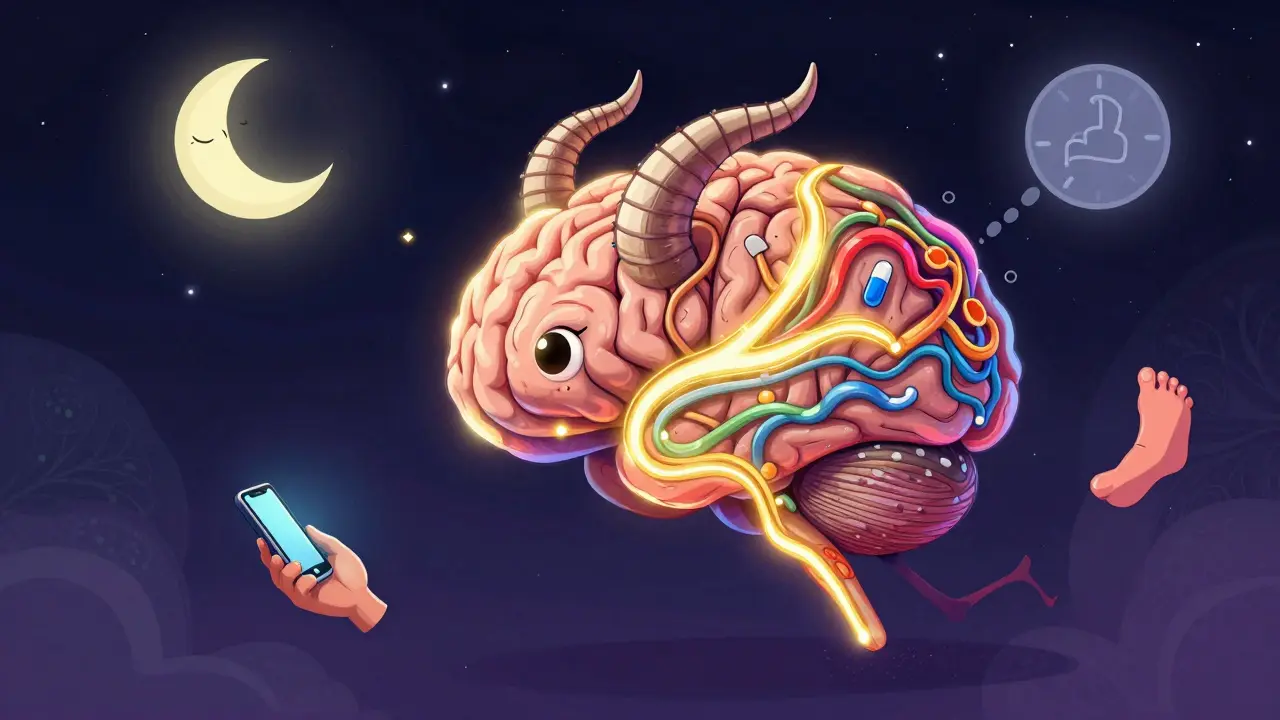
Depression doesn’t just disappear after a good week or two. For many people, it comes back - again and again. About 50% of those who’ve had one episode will have another. After three episodes, that risk jumps to 80%. That’s not bad luck. It’s biology. And it’s why relapse prevention isn’t optional - it’s essential.
Why Depression Keeps Coming Back
Depression isn’t like a cold. You don’t get better, then forget about it. The brain changes during a depressive episode. Neural pathways get stuck in negative patterns. Stress hormones stay elevated. Sleep and appetite systems go haywire. Even when you feel fine, those changes don’t fully reset. That’s why people often slip back without warning - not because they’re weak, but because the system hasn’t been properly stabilized. Studies show that without any kind of maintenance plan, half of all people who recover from depression will have another episode within two years. That number climbs to 80% after three episodes. The good news? You can change those odds.Two Proven Paths: Medication and Therapy
There are two main evidence-backed routes for preventing relapse: antidepressants and psychological therapies. Both work - but not the same way, and not for everyone. Antidepressants like imipramine (used in landmark studies) reduce relapse risk by nearly 2-fold. The numbers don’t lie: for every 4 people who take medication long-term, one avoids a return of depression. That’s a real benefit. But it comes with trade-offs. About 30-40% of people experience side effects - weight gain, sexual dysfunction, drowsiness, nausea - that make them quit. And stopping meds too soon? That’s one of the top reasons relapse happens. On the other side, therapies like Cognitive Behavioral Therapy (CBT), Mindfulness-Based Cognitive Therapy (MBCT), and Problem-Solving Therapy (PST) work just as well for many. A major 2023 analysis of individual data from thousands of patients found that adding therapy to standard care cut relapse risk by 23-31%. The effect was even stronger for people with three or more past episodes - their risk dropped by over 30% compared to those who only took meds or nothing at all. Here’s the key difference: meds keep your brain chemistry stable. Therapy teaches you how to recognize early warning signs - the irritability, the sleep changes, the negative thoughts - and stop them before they snowball. One person told me, “I didn’t know I was slipping until I started noticing I hadn’t called my sister in two weeks. That’s when I used my CBT tool: ‘What’s the thought behind this?’ Turns out, I was thinking, ‘No one cares.’ I challenged it. I called her.” That’s the power of skills.Which One Should You Choose?
There’s no universal answer. It depends on your history, your symptoms, and your life. If you’ve had three or more episodes, therapy is often the better long-term bet. Why? Because once you stop taking meds, the protection vanishes. But the skills you learn in CBT or MBCT stick around. You don’t need a therapist forever - just enough to build your own internal toolkit. If you still have residual symptoms - low energy, poor concentration, constant self-criticism - even after your mood lifts, medication may be necessary. Research shows those lingering symptoms are often the first signs of a relapse. Antidepressants can help smooth those edges out. If you’re someone who hates pills, or can’t tolerate side effects, therapy is a valid, powerful alternative. The American Psychiatric Association’s 2022 guidelines now say: shared decision-making matters. Your preference counts. Your lifestyle matters. Your values matter.
What Does Maintenance Therapy Actually Look Like?
It’s not “take a pill every day and hope for the best.” It’s structured, intentional, and time-limited - but not short-term. For medication: Most guidelines recommend continuing antidepressants for 2 to 5 years after you’ve been symptom-free. For people with multiple recurrences, some doctors suggest staying on longer. Stopping too early is risky. One study found that people who quit after 6 months were twice as likely to relapse as those who stayed on for 2 years. For therapy: MBCT and CBT usually start with 8 weekly group sessions. After that, you get “booster” sessions - maybe once a month for 3 months, then every 3 months. Some people do quarterly check-ins for years. These aren’t “therapy appointments.” They’re maintenance tune-ups, like getting your car serviced. You don’t need to be in therapy forever. But you do need to keep practicing. The same way you brush your teeth daily to prevent cavities, you need to use your coping tools daily to prevent depression.Lifestyle: The Silent Partner in Prevention
No one talks about this enough. But if you’re serious about staying well, your daily habits are as important as your meds or therapy. Sleep is the foundation. People who consistently get less than 6 hours a night are three times more likely to relapse. Even small disruptions - scrolling at 2 a.m., weekend oversleeping - can tip the balance. Movement isn’t about running marathons. Walking 30 minutes a day, 5 days a week, reduces relapse risk by nearly 25%. It boosts serotonin, lowers cortisol, and gives you a sense of control. You don’t need a gym. Just get outside. Connection is a buffer. Isolation is a trigger. Studies show people who maintain even one close relationship - a friend, a sibling, a neighbor - are far less likely to fall back into depression. It doesn’t have to be deep. Just regular. A text. A coffee. A shared silence. Stress management isn’t a luxury. Chronic stress rewires the brain. That’s why mindfulness practices - even 10 minutes a day of focused breathing - help. You don’t need to meditate like a monk. Just pause. Notice. Breathe. Repeat. And yes - alcohol and drugs are red flags. They may feel like relief, but they’re actually accelerants for depression. Studies consistently show substance use doubles relapse risk.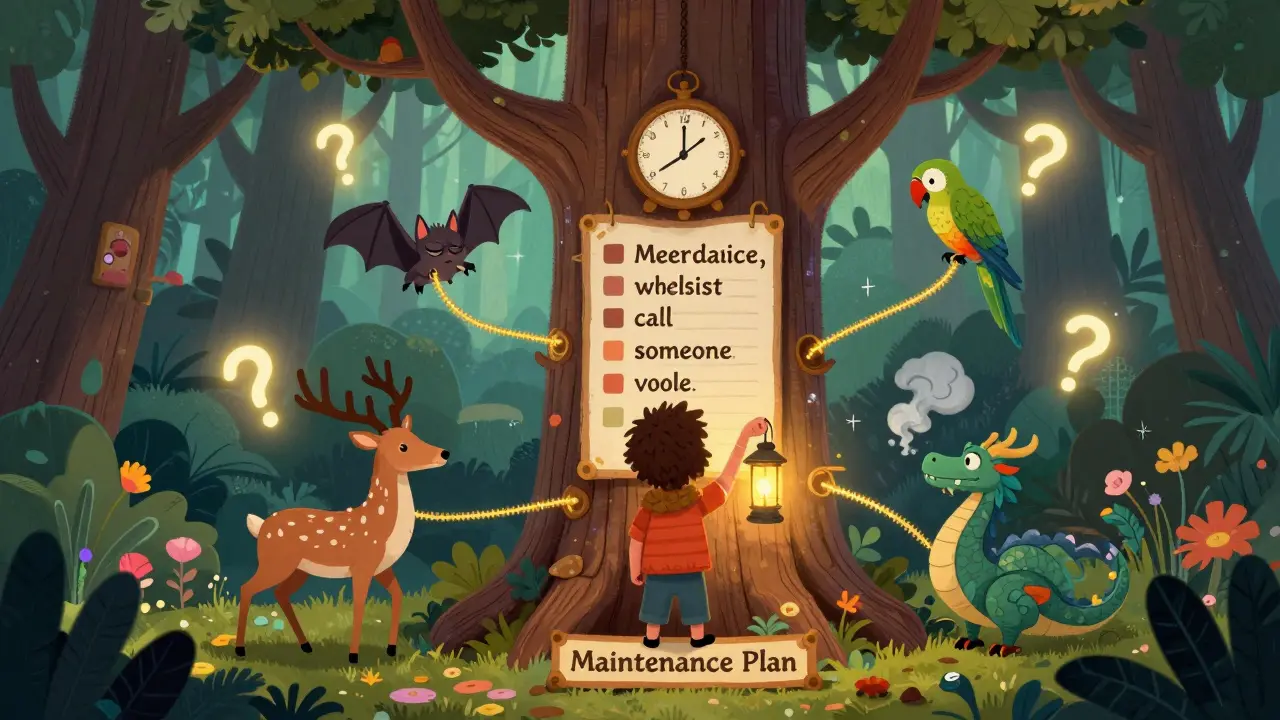
What Doesn’t Work
You’ll hear a lot of advice. “Just think positive.” “Go on vacation.” “Try yoga.” None of those are bad. But they’re not enough. Relapse prevention isn’t about feeling good. It’s about building systems that hold you up when you’re not feeling anything at all. Avoid these traps:- Stopping meds because you “feel fine.” You’re not cured - you’re in remission.
- Skipping therapy sessions because “I’ve got this.” Skills fade without practice.
- Waiting until you’re in crisis to reach out. Prevention means acting before you’re drowning.
- Believing you have to do it alone. Support isn’t weakness - it’s strategy.
How to Build Your Personal Relapse Prevention Plan
Start here:- Know your triggers. What usually comes before a low spell? Stress? Sleep loss? Loneliness? Write it down.
- Identify your early signs. What’s the first thing you notice? Irritability? Avoiding calls? Skipping meals? Make a list.
- Choose your tools. Are you on meds? Then stick to your schedule. Are you in therapy? Keep your booster sessions. Set phone reminders.
- Build your support network. Name three people you can text when you’re slipping. Don’t wait until you’re too tired to reach out.
- Lock in your habits. Sleep, walk, eat, breathe - make these non-negotiable. Not “when I feel like it.” Every day.
The Hard Truth
Even with everything done right - meds, therapy, sleep, movement, support - about 40-50% of people still relapse within two years. That’s not failure. That’s the reality of depression. But here’s what changes: when you have a plan, relapse doesn’t feel like a catastrophe. It feels like a signal. You know the signs. You know what to do. You’re not starting from zero. You’ve done this before. And you can do it again. Depression doesn’t have to be a cycle. It can be a pattern you manage. And that’s not just hope. That’s science.How long do I need to stay on antidepressants for depression relapse prevention?
Most guidelines recommend continuing antidepressants for 2 to 5 years after you’ve been symptom-free. For people with three or more depressive episodes, some doctors suggest staying on longer - sometimes indefinitely. Stopping too soon is one of the biggest reasons relapse happens. Never stop medication without talking to your doctor. Even if you feel fine, your brain may still need time to stabilize.
Is therapy as effective as medication for preventing depression relapse?
Yes, for many people. Cognitive Behavioral Therapy (CBT), Mindfulness-Based Cognitive Therapy (MBCT), and similar approaches reduce relapse risk by 23-31%, which is comparable to antidepressants. The benefit is strongest for those with three or more past episodes. Therapy teaches skills that last beyond treatment, while medication only works while you’re taking it. If you can’t tolerate side effects or prefer not to use drugs, therapy is a valid and evidence-backed alternative.
What lifestyle changes actually help prevent depression from coming back?
Sleep, movement, connection, and stress management are the big four. Getting 7-8 hours of sleep every night cuts relapse risk significantly. Walking 30 minutes a day, 5 days a week, reduces risk by about 25%. Maintaining even one close relationship acts as a buffer. Daily mindfulness - even 10 minutes of breathing - helps regulate your nervous system. Avoid alcohol and recreational drugs; they increase relapse risk by up to double. These aren’t nice-to-haves. They’re part of your treatment plan.
Can I stop therapy once I feel better?
No - not right away. Therapy for relapse prevention isn’t about fixing how you feel today. It’s about building skills to handle future lows. Most programs include 8 weekly sessions, then monthly or quarterly booster sessions for at least a year. Stopping too early means you lose the tools before you need them most. Think of it like physical therapy after surgery: you don’t stop stretching just because the pain is gone.
What if I can’t afford therapy or medication?
You’re not alone. Many people struggle with cost. Look for community mental health centers, sliding-scale clinics, or university training programs where therapy is offered at low cost by supervised students. Digital CBT apps like MoodGYM or Beating the Blues have been shown to reduce relapse risk by 20-30%. Some antidepressants are available as generics for under $10 a month. Prioritize sleep, movement, and connection - these cost nothing but have powerful effects. Your plan doesn’t need to be perfect. It just needs to be consistent.
How do I know if I’m starting to relapse?
Early signs are often subtle: you stop calling friends, you’re irritable for no reason, you’re sleeping too much or too little, you’re criticizing yourself more than usual, or you’ve lost interest in things you used to enjoy. These aren’t just “bad days.” They’re warning signals. Keep a simple journal: note your sleep, mood, and energy each day. If you see a pattern over 3-5 days, reach out to your therapist or doctor - don’t wait until you’re overwhelmed.
Relapse prevention isn’t about being perfect. It’s about being prepared. You’ve already survived depression once. Now you’re learning how to stay strong - not by fighting harder, but by building a life that holds you up, even when you’re tired.
Lethabo Phalafala
January 12, 2026 AT 18:41Finally someone gets it. Depression isn’t a phase. It’s a fucking rewiring. I thought I was weak until I learned my brain didn’t reset after the first episode. Now I take my meds like toothpaste - no exceptions.
Therapy saved me. Not because I ‘wanted to heal’ - because I learned to spot the silence before it swallowed me whole.
Nelly Oruko
January 13, 2026 AT 02:30There’s a quiet dignity in maintenance. Not the dramatic ‘I conquered it’ narrative - but the daily grind of showing up for yourself when no one’s watching. Sleep. Walk. Text a friend. Breathe.
It’s not glamorous. But it’s the only thing that keeps the tide from coming back in.
Lance Nickie
January 14, 2026 AT 18:25lol 80% relapse? bro that’s just bad life choices. I’ve been depressed 3x and now I just drink less and stop crying on reddit. problem solved.
sam abas
January 16, 2026 AT 07:31Everyone’s acting like this is new science. Newsflash: we’ve known since the 80s that CBT works. The real issue? The system doesn’t want you to stay well. Pharma makes more money off relapses. Therapy is underfunded. Antidepressants are overprescribed.
And yet somehow, we’re all supposed to just ‘build a plan’ like it’s a fucking IKEA manual.
Also - ‘40-50% still relapse’? That’s not reality. That’s a fucking admission that this whole model is broken. We’re treating symptoms like they’re the disease.
Clay .Haeber
January 16, 2026 AT 19:16Oh wow. A 3000-word PSA on how to not die. How quaint.
Let me guess - you also recommend flossing and calling your mom? Did you forget to mention ‘don’t breathe in toxic air’?
Look. I’ve been on 7 meds. Done 5 therapies. I don’t need a checklist. I need a world that doesn’t make me feel like a broken appliance that needs ‘maintenance’.
But sure. Brush your teeth. Sleep 8 hours. Text your sister. Maybe if you’re lucky, the universe will notice you’re trying.
Priyanka Kumari
January 17, 2026 AT 19:45This is exactly what I needed to hear. I’m from India, and here, depression is still called ‘weakness’ or ‘overthinking’. But I’ve had two episodes, and I’m on MBCT boosters every quarter. My mom still thinks I’m ‘just sad’ - but now I show her the studies.
One friend texts me every Sunday: ‘How’s your sleep?’ That’s my lifeline.
You don’t need a grand solution. Just consistency. And someone who remembers to ask.
Angel Tiestos lopez
January 18, 2026 AT 06:52👏👏👏
Bro, this is the most honest thing I’ve read all year. I’ve been off meds for 14 months. Thought I was ‘cured’. Then last week, I cried in the grocery store because someone used the wrong kind of oat milk.
Started walking again. 15 mins. Just me, the sidewalk, and my thoughts.
It’s not about being strong. It’s about being stubborn. 💪🌱
Trevor Whipple
January 19, 2026 AT 08:36you guys are all missing the point. depression isn't a medical condition. it's a moral failure. if you just stopped being lazy and started praying harder, you wouldn't need all this junk. i've never taken meds and i've never been depressed. so there.
Damario Brown
January 19, 2026 AT 10:01Let’s deconstruct this. The 50% relapse rate? That’s a statistical artifact of diagnostic inflation. The DSM criteria are too broad. You’re pathologizing normal human sadness.
Also, ‘maintenance therapy’? That’s just institutionalized dependency. You’re training people to be lifelong patients.
And ‘lifestyle changes’? Please. If your ‘movement’ is walking 30 minutes, you’re not preventing depression - you’re avoiding your trauma.
Real healing isn’t scheduled. It’s chaotic. It’s messy. It doesn’t come in 8-week modules.
John Pope
January 20, 2026 AT 22:36There’s a metaphysical layer here we’re ignoring. Depression isn’t just neurochemical - it’s existential. You can’t ‘tune up’ a soul like a car.
When you say ‘sleep, walk, connect’ - you’re reducing the human condition to a productivity hack.
I’ve been in the void. And no CBT module can answer the question: ‘Why does anything matter?’
Maybe the real relapse prevention is learning to sit with the silence… not fix it.
Avneet Singh
January 21, 2026 AT 23:02Let’s be honest - most of this is anecdotal fluff wrapped in APA jargon. Where’s the RCT data on ‘texting a friend’ reducing relapse? It’s not even peer-reviewed.
Meanwhile, the real solution is structural: universal healthcare, paid mental leave, decriminalizing therapy. Not ‘daily breathing exercises’ for the working class while CEOs profit off burnout culture.
Adam Vella
January 22, 2026 AT 02:05While the article presents a clinically sound framework, it fails to address the epistemological limitations of behavioral models in treating affective disorders. The reductionist paradigm of ‘sleep, movement, connection’ implicitly assumes a Cartesian separation between mind and body - a fallacy that has been thoroughly critiqued in phenomenological psychiatry since Merleau-Ponty.
Moreover, the reliance on standardized protocols (MBCT, CBT) reflects a neoliberal imperative to individualize systemic pathology. Relapse prevention, properly understood, requires dismantling the capitalist conditions that generate chronic stress - not merely teaching patients to breathe.