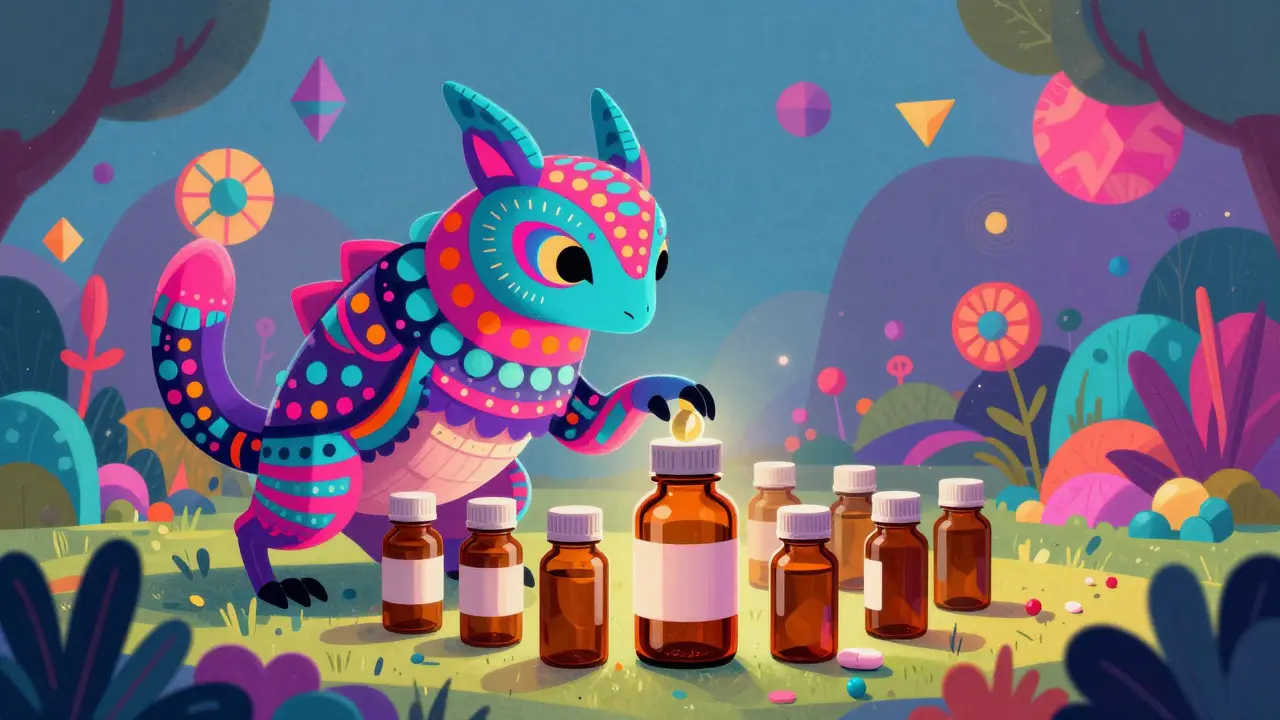
You've probably stared at a pill bottle and wondered if that date on the label is a hard deadline or more of a suggestion. Most of us treat expiration dates like a countdown to when a drug becomes useless or, worse, dangerous. But here is a surprising fact: the vast majority of properly stored medications remain effective well beyond their printed dates. In fact, a massive government initiative called the Shelf-Life Extension Program is a regulatory framework used by the FDA and Department of Defense to test strategic stockpiles, finding that 88% of tested drug lots remained stable long after their expiration dates.
Quick Tips for Medication Longevity
- Keep pills in a cool, dry place-avoid the bathroom cabinet.
- Store light-sensitive drugs in amber bottles or opaque containers.
- Maintain a strict cold chain for biologics (2-8°C) without any breaks.
- Use original packaging to protect against moisture and oxygen.
- Check for physical changes like discoloration or odd smells before use.
The Truth About Expiration Dates
When a manufacturer prints a date on a bottle, they aren't usually predicting the exact moment the drug turns toxic. Instead, that date is the limit of what they've scientifically proven for stability under standard conditions. Many solid oral dosage forms is medications formulated as tablets or capsules are incredibly hardy. For example, some lots of Tamiflu used in strategic reserves have been cleared for use up to ten years past their manufacture date when stored correctly.
However, this isn't a green light to ignore dates entirely. Some drugs are "unstable," meaning they break down quickly. The real danger isn't always a loss of potency, but the creation of harmful by-products. A prime example is tetracycline, which can degrade into compounds that are potentially toxic to the kidneys if they aren't kept stable. The goal isn't to gamble with your health, but to understand how storing medications correctly can maximize their usable life.
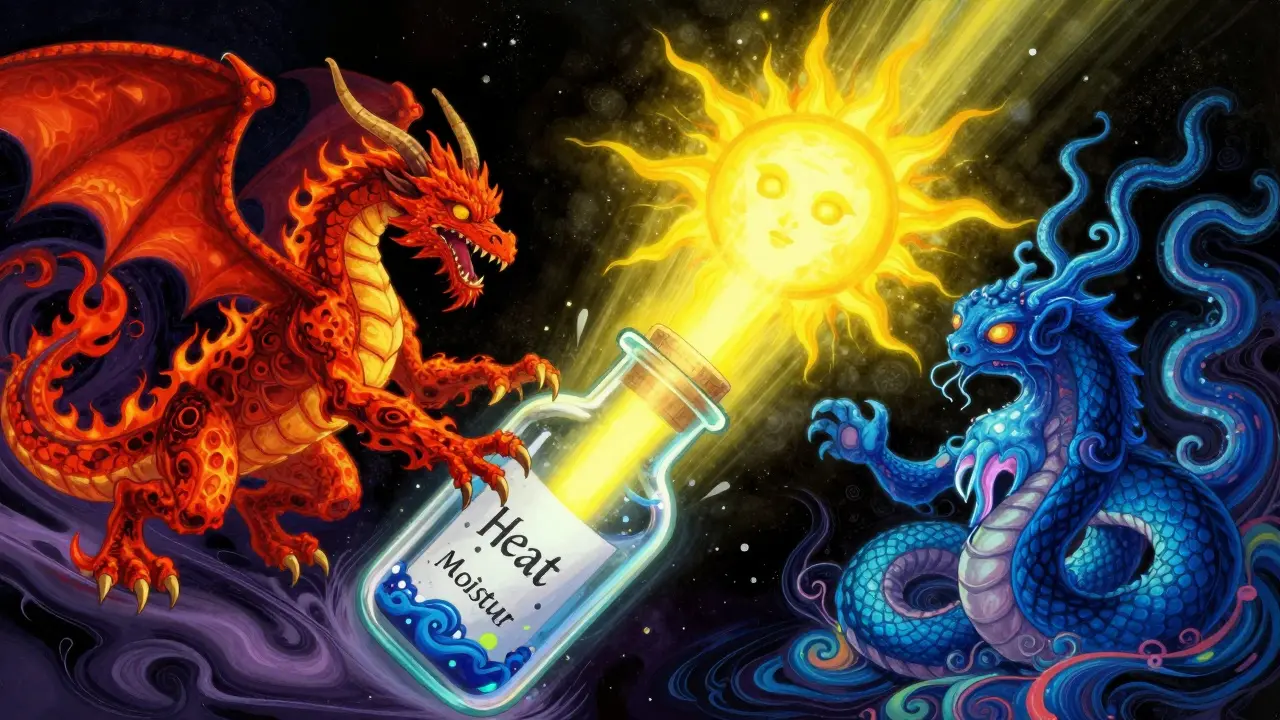
The Enemy Trio: Heat, Light, and Moisture
If you want your medicine to last, you have to fight three main environmental stressors. Most people store their meds in the bathroom, but that's actually one of the worst spots. The steam from your shower creates a high-humidity environment that can degrade tablets and capsules faster than almost anything else.
Heat is the second enemy. High temperatures speed up chemical reactions, causing the active ingredients to break down. This is why some medications require refrigeration between 2-8°C. If you have a biologic or a vaccine, a single "temperature excursion"-like leaving it on the counter for an hour-can cause irreversible damage to the protein structure, making the drug useless.
Finally, there's light. UV rays can trigger a process called photodegradation. This is why many pharmacies use amber-colored bottles. If your medication comes in a transparent container and is light-sensitive, keeping it in a dark drawer or an opaque box is a simple way to prevent it from losing strength.
| Medication Type | Ideal Environment | Key Risk | Example |
|---|---|---|---|
| Solid Tablets/Capsules | Cool, dry cupboard (25°C / 60% RH) | Moisture/Humidity | Common Painkillers |
| Liquid Formulations | Refrigerated or Room Temp (as labeled) | Bacterial Growth | Antibiotic Suspensions |
| Biologics/Insulin | Strict Cold Chain (2-8°C) | Protein Denaturation | Insulin Glargine |
| Light-Sensitive Drugs | Amber glass or opaque packaging | UV Degradation | Certain Heart Meds |
Advanced Protection: Packaging and Technology
Industry experts use more than just plastic bottles to keep drugs fresh. In professional settings, Modified Atmosphere Packaging is a technology that replaces the air inside a package with a specific gas mixture to stop oxidation and microbial growth. While you can't do this at home, you can mimic the effect by keeping your medications in their original blister packs until the moment you need to take them. Popping all your pills into a generic plastic organizer exposes them to air and moisture every time you open the lid.
We are also seeing the rise of "intelligent packaging." These are containers with time-temperature integrators-small sensors that change color if the medication has been exposed to heat for too long. This removes the guesswork, as you can tell at a glance if the internal chemistry has likely been compromised.
How to Spot a Degraded Medication
Even if you've stored your meds perfectly, you should always perform a quick visual and olfactory check. If a pill is crumbling, changing color, or develops a strange smell (like vinegar or ammonia), throw it away immediately. This is a sign that the chemical bonds are breaking.
For liquids, look for precipitation-little crystals or flakes floating in the fluid-or a change in clarity. A cloudy liquid that should be clear is a huge red flag. When in doubt, the risk of taking an ineffective or toxic dose far outweighs the cost of a new prescription.
Managing Strategic Stockpiles at Home
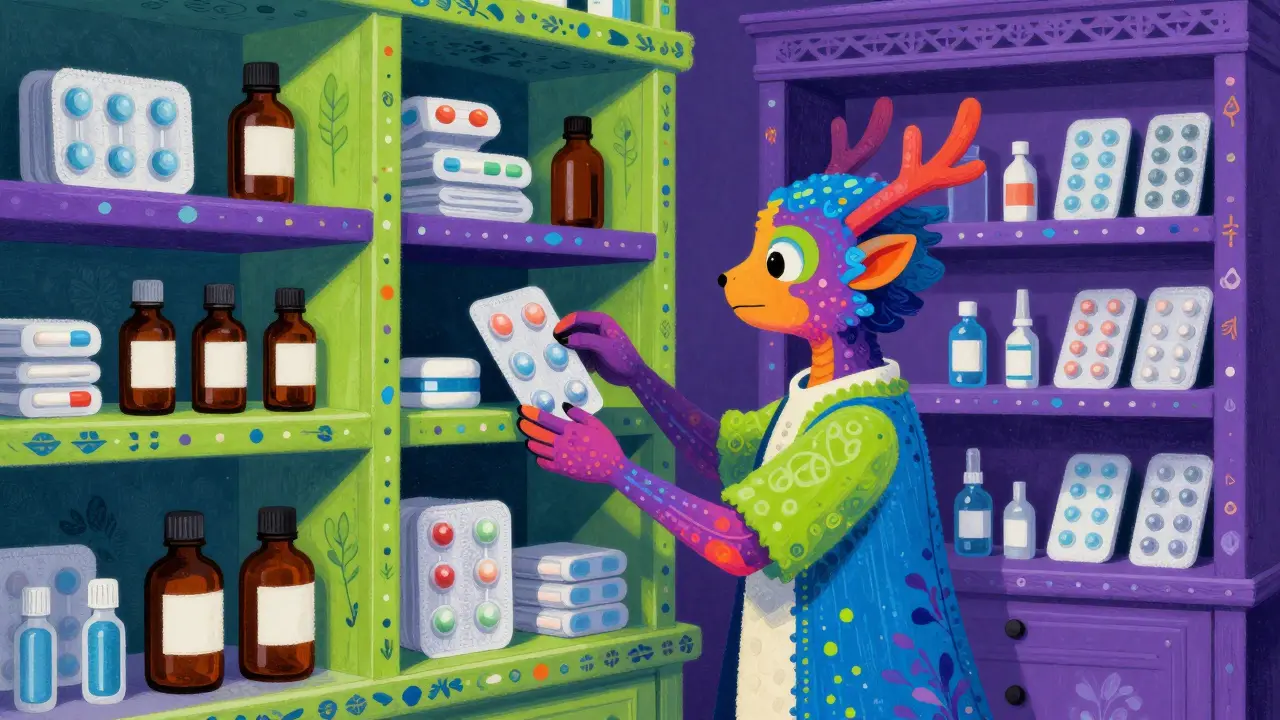
If you are stocking up on essentials for an emergency kit, don't just toss them in a plastic bin in the garage. Garages fluctuate wildly in temperature, which is a recipe for rapid degradation. Instead, use a dedicated "medical zone" in your home: a cool, interior closet away from the kitchen (heat) and bathroom (steam).
Keep a detailed log of when you bought the medication and its original expiration date. If you're managing a large amount of supplies, consider rotating your stock-using the oldest items first and replacing them with new ones. This is the same "First-In, First-Out" (FIFO) method that pharmacies and the Strategic National Stockpile use to ensure they aren't relying on ancient chemicals during a crisis.
Can I ever use medication after the expiration date?
In many cases, yes, provided the drug was stored correctly and shows no signs of degradation. Many tablets remain potent for years. However, you should never do this with liquid medications, reconstituted antibiotics, or life-critical drugs like insulin or nitroglycerin, where a loss of potency can be fatal.
Why is the bathroom a bad place for medicine?
Bathrooms are subject to extreme humidity and temperature swings every time you take a shower. Moisture can seep into pill bottles, causing tablets to break down or grow mold, significantly shortening their shelf life.
What is the difference between a 'use-by' and an 'expiration' date?
In pharmaceuticals, the expiration date is the manufacturer's guarantee that the drug will maintain its full potency and purity. After this date, the drug may still work, but the manufacturer no longer guarantees its strength.
Are liquid medicines more unstable than pills?
Yes, generally. Liquids are much more susceptible to bacterial growth and chemical instability. They also tend to react faster with oxygen and light, which is why they often have much shorter shelf lives than tablets.
Does refrigeration always extend shelf life?
Not necessarily. While some drugs require cold to stay stable, others can be ruined by refrigeration (e.g., some liquids may crystallize or precipitate). Always follow the manufacturer's specific instructions on the label.
Next Steps for Safe Storage
Start by auditing your current medicine cabinet. Move anything stored in the bathroom to a cool, dry drawer. Check your labels for "refrigerate" or "protect from light" instructions. If you have medications that are years past their date, don't flush them-take them to a pharmacy for proper hazardous waste disposal. For those building an emergency kit, focus on high-stability solids and invest in an airtight, opaque storage container to keep environmental stressors at bay.
mimi clouet
April 14, 2026 AT 01:07Omg I've been telling everyone to get rid of that bathroom cabinet for years! 🙄 It's literally a sauna in there and ruins everything. Just a little tip, if you're using those plastic pill organizers, try to only fill them for one week at a time so they aren't sitting in the open air for too long 💊✨
Haley Moore
April 15, 2026 AT 23:39Please, as if we didn't already know bathrooms are humid 🙄 Honestly the formatting of this whole thing is so basic. I only use high-end apothecary storage because I actually care about my health 💅✨
Jasmin Stowers
April 16, 2026 AT 08:35makes so much sense actually. i just moved my stuff to the bedroom closet
S.A. Reid
April 17, 2026 AT 12:25It is quite fascinating how the author mentions government stockpiles. One must wonder, however, if these 'stability tests' are merely a convenient narrative to ensure the populace remains complacent while the actual chemical composition is altered for other purposes. I find it highly improbable that such high percentages of efficacy remain constant without some form of clandestine stabilization technology that is withheld from the public. It is a sophisticated game of probabilities, is it not? I shall maintain my own vacuum-sealed reserves regardless of the official guidance provided by these agencies.
Sam Dyer
April 18, 2026 AT 15:04Finally some common sense info! The US military does it better than anyone else so if the DoD says it's good it's damn good 🇺🇸 Just stop whining about dates and store your stuff in a cool spot you bunch of snowflakes (╯°□°)╯
john chiong
April 19, 2026 AT 06:05absolute madness that people still keep meds in the bath it is a crime against basic logic
pure laziness to ignore the labels and just hope for the best while gambling with your own biology
melissa mac
April 20, 2026 AT 12:58I think we can all agree that the most important thing is just staying safe. If you're unsure about a medication, it's always a wonderful idea to just chat with your local pharmacist; they're usually more than happy to help us understand these things better without any judgment.
Becca Suttmiller
April 22, 2026 AT 00:08The part about the original blister packs is really helpful. I've always wondered why some things came in those and others didn't, but it makes sense to keep them sealed until the last second.
Ikram Khan
April 22, 2026 AT 02:33Wow this is seriously an eye-opener!! 😲 I had no idea about the 'Enemy Trio' of heat, light, and moisture. It's like a battle for my health right in my own home! I'm going to start a log for my emergency kit right now to make sure I'm using the FIFO method!! 📝💪
Mark Dueben
April 23, 2026 AT 08:32I'm sure most people just do what's convenient, but it would be a shame if a critical medication failed because of a humid bathroom. Maybe we can all try to help our families move their meds to a safer spot.