
Hypokalemia Risk & Management Estimator
Heart failure is a tough condition to manage, and diuretics are often the first line of defense against fluid buildup. But there’s a catch: these powerful drugs can strip your body of potassium, leading to hypokalemia. Low potassium isn’t just a number on a lab report; it’s a silent risk factor for dangerous heart rhythms and increased mortality. For patients and caregivers, understanding how to balance effective decongestion with safe potassium levels is critical.
The good news? You don’t have to choose between managing swelling and protecting your heart rhythm. With the right monitoring, medication adjustments, and lifestyle tweaks, you can keep potassium levels in the sweet spot. Here’s what you need to know about managing this delicate balance.
Why Diuretics Lower Potassium Levels
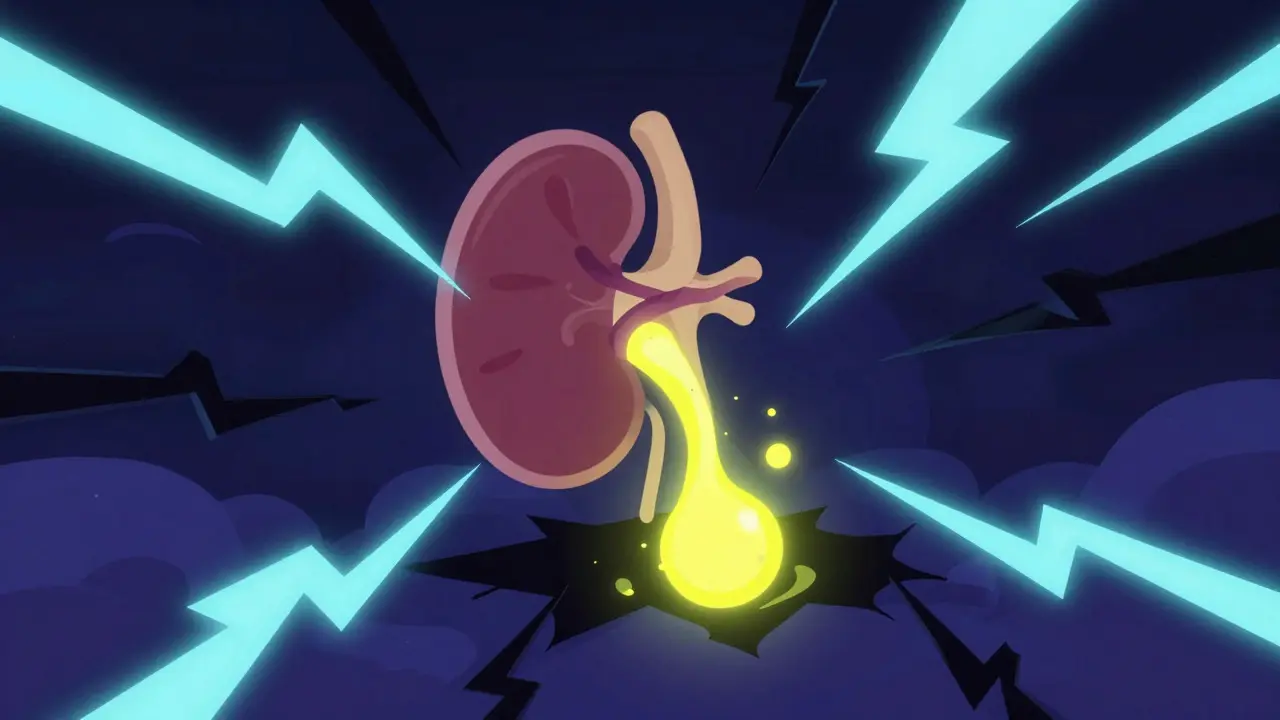
To understand the problem, we first need to look at how loop diuretics work. Drugs like furosemide, bumetanide, and torsemide are staples in heart failure treatment. They work by blocking a specific transporter in the kidneys-the Na+-K+-2Cl- cotransporter-in the thick ascending limb of the loop of Henle. This action forces the kidneys to excrete more sodium and water, which helps reduce fluid congestion.
However, this process has a side effect. When more sodium reaches the distal part of the kidney tubules, it triggers the secretion of potassium through channels called ROMK. Essentially, as your body flushes out excess fluid, it inadvertently flushes out potassium too. Studies suggest that 20-30% of heart failure patients on loop diuretics develop hypokalemia, defined as a serum potassium level below 3.5 mmol/L. The risk increases if you’re on higher doses or taking other medications that also waste potassium.
The Danger of Low Potassium in Heart Failure
Why is potassium so important? It plays a crucial role in maintaining the electrical stability of your heart cells. In patients with structural heart disease, such as those with heart failure, low potassium makes the heart muscle more irritable and prone to arrhythmias-abnormal heartbeats that can be life-threatening.
Research highlights the severity of this risk. According to data referenced in hypertension journals, potassium levels below 3.5 mmol/L are associated with a 1.5 to 2.0-fold increase in mortality risk for heart failure patients. It’s not just about feeling tired or having muscle cramps; it’s about keeping your heart beating safely. This is why guidelines emphasize keeping potassium within a strict range, typically between 3.5 and 5.5 mmol/L.
Monitoring and Detection Strategies
Catching hypokalemia early is half the battle. The 2022 AHA/ACC/HFSA Guidelines recommend careful monitoring of potassium, renal function, and diuretic dosing. Here’s a practical approach to monitoring:
- Initiation Phase: When starting a new diuretic or changing the dose, check potassium levels weekly until they stabilize.
- Chronic Management: Once stable, monthly checks are usually sufficient.
- Acute Decompensation: If you’re hospitalized or experiencing sudden worsening symptoms, monitor every 1 to 3 days.
Don’t wait for symptoms. Many people with mild hypokalemia feel fine. Rely on regular blood tests. Also, pay attention to subtle signs like persistent fatigue, muscle weakness, or palpitations, and report them to your doctor immediately.
Management Tip 1: Potassium Supplementation
If your potassium drops below 3.5 mmol/L, supplementation is often the first step. The method depends on how low your levels are:
- Mild Hypokalemia (3.0-3.5 mmol/L): Oral potassium chloride is typically prescribed. A common dose is 20-40 mmol per day. Take it with food to minimize stomach upset.
- Severe Hypokalemia (<3.0 mmol/L): This requires medical attention. Intravenous replacement may be necessary, administered at 10-20 mmol per hour under continuous ECG monitoring to ensure safety.
Remember, oral supplements can take time to raise levels, so consistency is key. Don’t skip doses, and always follow your doctor’s instructions regarding timing and dosage.
Management Tip 2: Adjusting Medications
Sometimes, adding another medication is more effective than just supplementing potassium. Two classes of drugs are particularly useful here:
Mineralocorticoid Receptor Antagonists (MRAs)
Drugs like spironolactone and eplerenone block aldosterone, a hormone that causes potassium loss. Spironolactone, started at 12.5-25 mg daily, has been shown to reduce mortality in heart failure patients with reduced ejection fraction (HFrEF) while helping maintain potassium balance. The landmark RALES trial demonstrated a 30% reduction in mortality with spironolactone use.
SGLT2 Inhibitors
Newer agents like empagliflozin and dapagliflozin (both 10 mg daily) have become cornerstones of heart failure therapy. Interestingly, they reduce the need for diuretics by about 20-30%. Since they have a neutral or beneficial effect on potassium, using them can indirectly lower the risk of hypokalemia by allowing for lower doses of loop diuretics.
| Medication Class | Examples | Effect on Potassium | Additional Benefits |
|---|---|---|---|
| Loop Diuretics | Furosemide, Bumetanide | Lowers (Risk of Hypokalemia) | Rapid fluid removal |
| MRAs | Spironolactone, Eplerenone | Raises/Preserves | Reduces mortality in HFrEF |
| SGLT2 Inhibitors | Empagliflozin, Dapagliflozin | Neutral/Beneficial | Reduces HF hospitalizations |
| Thiazides | Metolazone | Lowers (High Risk) | Enhances diuresis when combined with loops |

Management Tip 3: Dietary and Lifestyle Adjustments
What you eat matters, but it’s tricky. Doctors often recommend restricting sodium to 80-120 mmol/day (2-3 grams) to control fluid retention. However, severe salt restriction can trigger hormonal changes that actually increase potassium loss. So, aim for a balanced approach rather than extreme restriction unless specifically advised otherwise.
Incorporate potassium-rich foods into your diet, but discuss this with your healthcare provider first, especially if you have chronic kidney disease (CKD). Good sources include:
- Bananas
- Oranges and orange juice
- Spinach and other leafy greens
- Avocados
- Potatoes (with skin)
Be cautious with potassium supplements if you have CKD, as your kidneys may struggle to excrete excess potassium, leading to hyperkalemia (high potassium), which is equally dangerous.
Navigating Complex Scenarios
Not all heart failure patients are the same. Those with preserved ejection fraction (HFpEF) may respond differently to diuretics than those with reduced ejection fraction (HFrEF). Aggressive diuresis in HFpEF patients can sometimes worsen kidney function without significantly improving fluid removal, complicating potassium management.
If you’re on high-dose loop diuretics and still retaining fluid, doctors might add a thiazide diuretic like metolazone. While this boosts diuresis, it can initially spike the risk of hypokalemia. Close monitoring is essential during this transition period.
Also, watch out for other factors that worsen potassium loss, such as laxative abuse or certain antibiotics. Always provide a complete list of all medications and supplements to your care team.
Future Directions and Personalized Care
The landscape of heart failure treatment is evolving. Emerging evidence suggests that biomarker-guided diuretic therapy-using levels of BNP or NT-proBNP to guide dosing-could reduce the incidence of hypokalemia by 15-20% compared to standard care. Additionally, newer extended-release diuretic formulations aim to provide a smoother effect throughout the day, reducing the peaks and troughs that contribute to electrolyte fluctuations.
Personalized dosing based on individual factors like estimated glomerular filtration rate (eGFR) and congestion severity is becoming the norm. This tailored approach ensures you get the right amount of diuretic to manage fluid without unnecessarily sacrificing potassium.
What is the target potassium level for heart failure patients?
The recommended target serum potassium level for heart failure and chronic kidney disease patients is between 3.5 and 5.5 mmol/L. Maintaining levels within this range helps prevent both hypokalemia-related arrhythmias and hyperkalemia risks.
How quickly does oral potassium supplementation work?
Oral potassium chloride typically raises serum levels gradually over several hours to days. It is suitable for mild hypokalemia (3.0-3.5 mmol/L). For severe cases (<3.0 mmol/L), intravenous replacement is faster and safer under medical supervision.
Can SGLT2 inhibitors help prevent hypokalemia?
Yes. SGLT2 inhibitors like empagliflozin and dapagliflozin reduce the need for loop diuretics by 20-30%. Since they do not cause significant potassium wasting, they indirectly help maintain stable potassium levels while effectively managing heart failure symptoms.
Is it safe to eat bananas if I’m on diuretics?
For most patients with normal kidney function, eating potassium-rich foods like bananas is beneficial and can help counteract diuretic-induced losses. However, if you have chronic kidney disease, consult your doctor before increasing dietary potassium, as your kidneys may not excrete excess amounts efficiently.
How often should I check my potassium levels?
Check weekly when starting or adjusting diuretic therapy. Once stable, monthly checks are sufficient. During acute hospitalization or significant dose changes, testing may be required every 1 to 3 days to ensure safety.